
Fields of activity
Efficient regions, modern administrations and economically strong locations need sustainable foundations: digital networks, secure supply, resilient energy and water structures, efficient mobility, computing capacities and prepared structures for crises and exceptional situations.
aconium’s fields of activity address these fundamentals from different perspectives. Some relate to specific infrastructures such as broadband, mobile communications, energy, water, mobility or data centers. Others, such as civil protection, focus on how public authorities, operators, companies and other organizations can remain capable of acting even under particular pressure.
aconium supports public clients, companies, infrastructure operators, research institutions and project partners in strategically classifying complex projects, structuring them in a sustainable manner and translating them into feasible project paths – from the initial analysis to funding, financing and stakeholder coordination through to continuation.
Significance for regions, administration and the economy
Digital, technical and supply-related foundations are increasingly shaping the future viability of regions and locations. They enable digital participation, economic development, innovative capacity, public services and social resilience.
At the same time, the conditions under which projects are planned and implemented are changing. Climate change, the energy and heating transition, digitalization, security issues, a shortage of skilled workers, tight budgets, regulatory requirements and complex funding and financing logics are increasing the pressure to coordinate and implement projects.
This means that the need for integrated project approaches is growing. Successful development occurs where technical requirements, regional needs, financing, funding, operator and partner models, communication and implementation are considered together at an early stage. This applies to public projects as well as private sector investments with a regional impact.
What is important in implementation
Projects in these fields of activity require more than specialist planning. They need a shared understanding of the initial situation, a sound basis for decision-making, clear roles, sustainable financing and structures that enable implementation.
From our point of view, three questions are central to this:
What function should the project fulfill?
Many projects begin with a technical, organizational or regulatory issue. However, the decisive factor is what function a project is intended to perform for the administration, region, economy, population or operator structures.
How does a need become a viable project path?
Between the target image and implementation lie financing issues, funding logic, data, approvals, operator and cooperation models, political decisions, communication and acceptance.
How can the effect be maintained in the long term?
The benefits of a project are not only achieved with a concept or approval, but also through sustainable implementation, transitions into operation, knowledge transfer and the ability to respond to new requirements.
What we bring together in projects
Our fields of activity are not about juxtaposing individual solutions. The decisive factor is to create project capability. We combine strategic development, funding and financing, data and planning, stakeholder and interface management, communication, implementation and continuity.
This results in projects that are not only technically well thought out, but also organizationally, financially and communicatively viable – for public clients, private sector partners, operators, research institutions and regional players.
Our fields of activity
Broadband

Broadband and fiber optic networks are the digital foundation of modern regions. They ensure participation, location quality, administrative digitization, research, business and new applications in almost all areas of life.
Further expansion is not just a technical task. It requires the interplay of market, promotion, regulation, financing, municipal control and cooperation between public and private players.
Water
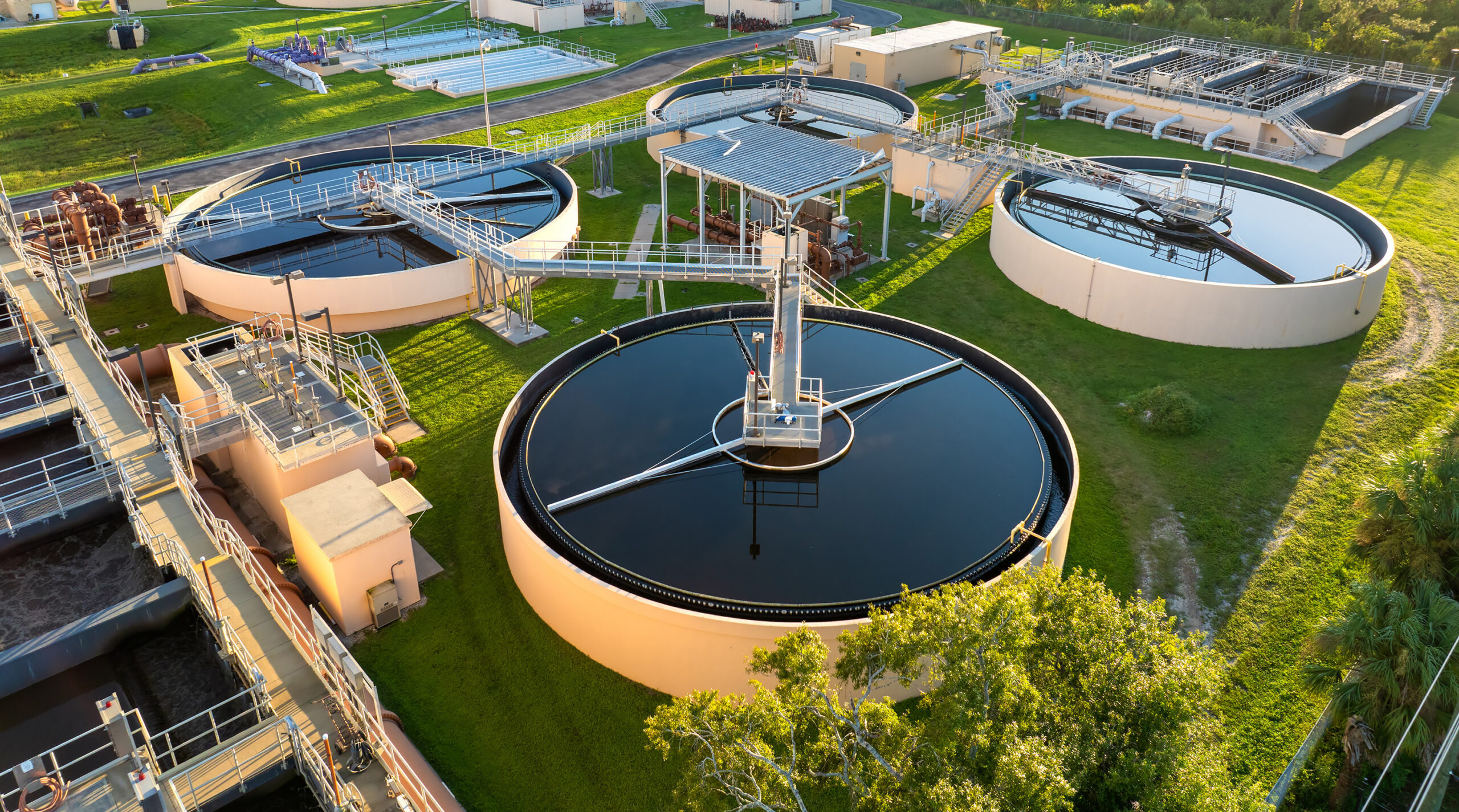
Water is increasingly becoming a strategic issue for the future. Security of supply, wastewater, heavy rainfall, drought, flood protection, water development, water reuse and digital monitoring must be considered more closely together.
The water industry is therefore at the interface between public services, climate adaptation, environmental protection, infrastructure modernization and critical supply.
Data centers

Data centers are key locations for digital infrastructure. They enable cloud applications, AI, data sovereignty, research, administration and economic innovation.
At the same time, they place high demands on locations, energy supply, space, grid connection, waste heat utilization, acceptance, financing and regional integration.
Mobile communcations

Mobile communications are a prerequisite for digital participation, economic development, mobility, security and resilient communication. Expansion requires reliable data, coordination and cooperation, especially in rural areas, along transport routes and at locations with special requirements.
Public authorities, network operators, location partners, companies and infrastructure stakeholders often have to reconcile different interests and framework conditions.
Energy
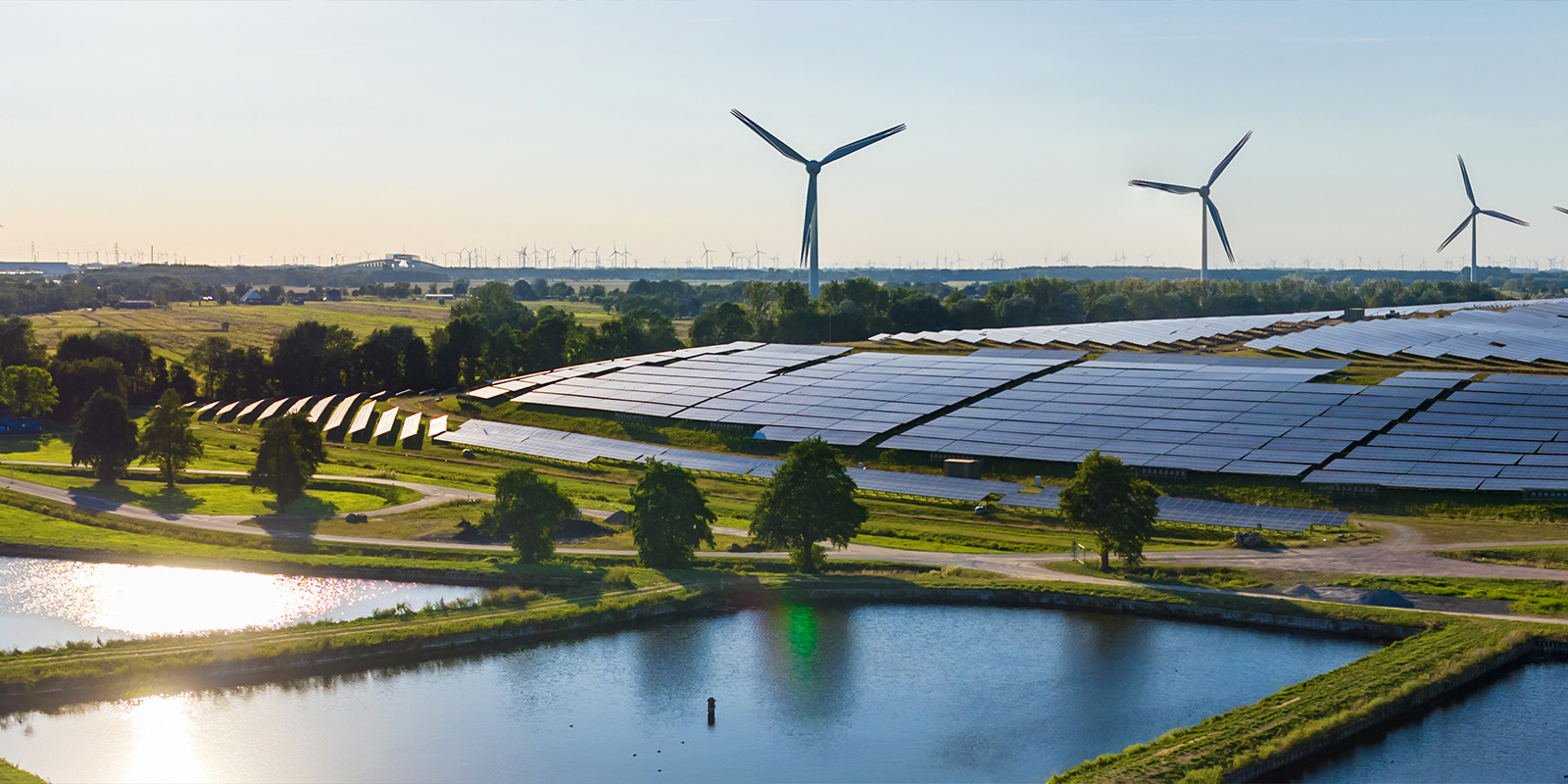
Energy infrastructures are decisive for security of supply, climate protection, competitiveness and regional value creation. Energy efficiency, heat supply, hydrogen, sector coupling, data centers and new operator models demonstrate this: Energy has long been a cross-cutting issue for infrastructure development, administration, the economy and regional resilience.
Energy projects become viable when technical planning, financing, funding, stakeholder coordination and implementation are considered together at an early stage.
Mobility

Mobility connects people, markets, education, work and supply. New forms of mobility, digital control, charging infrastructure, automated and connected driving as well as the development of rail, road and other modes of transport are changing the requirements for planning and implementation.
In rural areas in particular, mobility becomes a question of accessibility, participation and location quality.
Civil defense

Civil protection is a question of the ability to act. The decisive factor is which structures, processes, communication channels and supply bases must function when familiar procedures no longer work.
Crisis resilience does not only arise in the event of an incident. Municipalities, districts, critical infrastructure operators, companies and other organizations need situational awareness, clear responsibilities, prepared communication, practiced processes and a reliable basis for decision-making.