
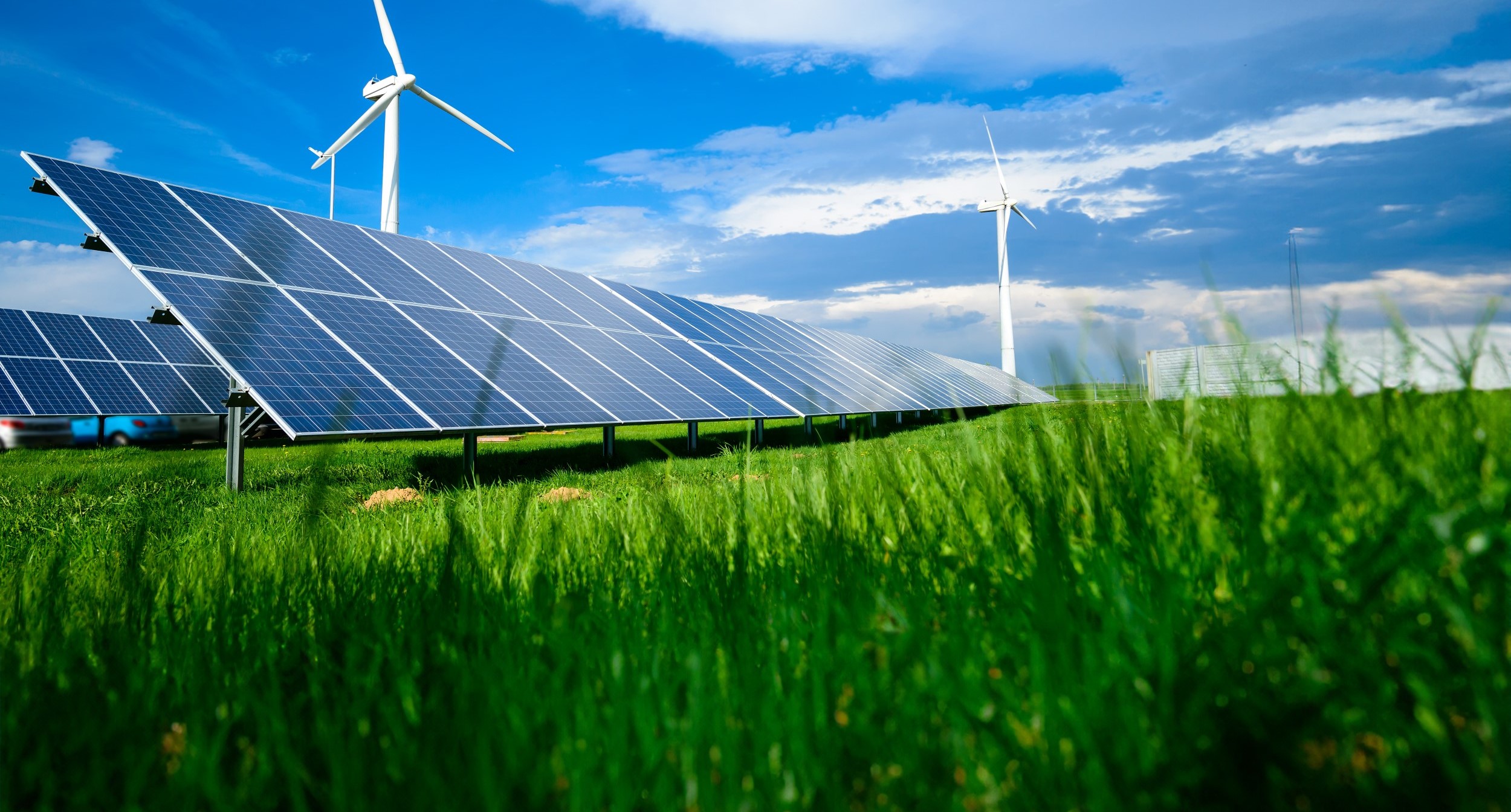
Energy
For a long time, technologies based on fossil fuels have dominated the transportation and energy sector. Further developing alternative approaches, freeing them from their niche existence and giving them the necessary attention is a challenge that must be mastered if the energy transition is to be implemented successfully.
aconium GmbH accepts this challenge and sees it as its task to strengthen the use of renewable energies, which can bring considerable economic and ecological benefits. We are implementing this by identifying and investigating structural obstacles as well as regional potentials in the development and use of renewable energies as alternative fuels in urban and rural areas and developing practical solutions.
Articles on the subject of energy
Interreg Projects “NorthSEE” and “Baltic LINes”: Final Conference “Connecting Seas” in Hamburg
Christian Ridder. Artist Christian Ridder summarised the results of the "Connecting Seas" conference in a drawing.From 13 to 14 February 2019, the final conference "Connecting Seas" of the two Interreg projects "NorthSEE" and "Baltic LINes", organised by aconium GmbH,...
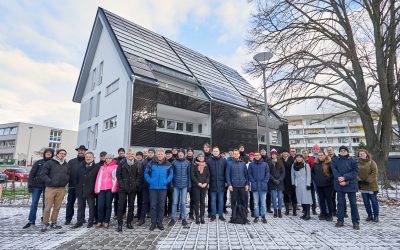
District Heating – a Central Building Block for the Heating Transition
Mindaugas Kurmis, Klaipeda University. The LowTEMP project partners visited a solar house of the Cottbusser Wohnungsbaugenossenschaft eG Wohnen. The outside temperatures are dropping - a good opportunity for the LowTEMP partners to visit German pilot projects for...
Hydrogen – education – broadband: Elbe-Weser region gears up for 2019
© aconium, New Year's reception of the Stade Chamber of Industry and Commerce for the Elbe-Weser region, 16.01.2019 What challenges will 2019 bring for the region between the Elbe and Weser rivers? The IHK Stade 's New Year's reception yesterday gave around 900 guests...
Projects on the topic of energy
Stronghouse had set itself the goal of reducing the ecological footprint of 15,000 homes in the North Sea region, generating 100 million euros in investment and …
The aim of the LowTEMP 2.0 project was to strengthen and expand capacity building for low-temperature district heating networks in the Baltic Sea region. With the transfer of knowledge …
The main objective of the HyTrEc 2 project is to create conditions under which the FCEV market can develop and the North Sea region can become a competence region for fuel cells.