
Mobility
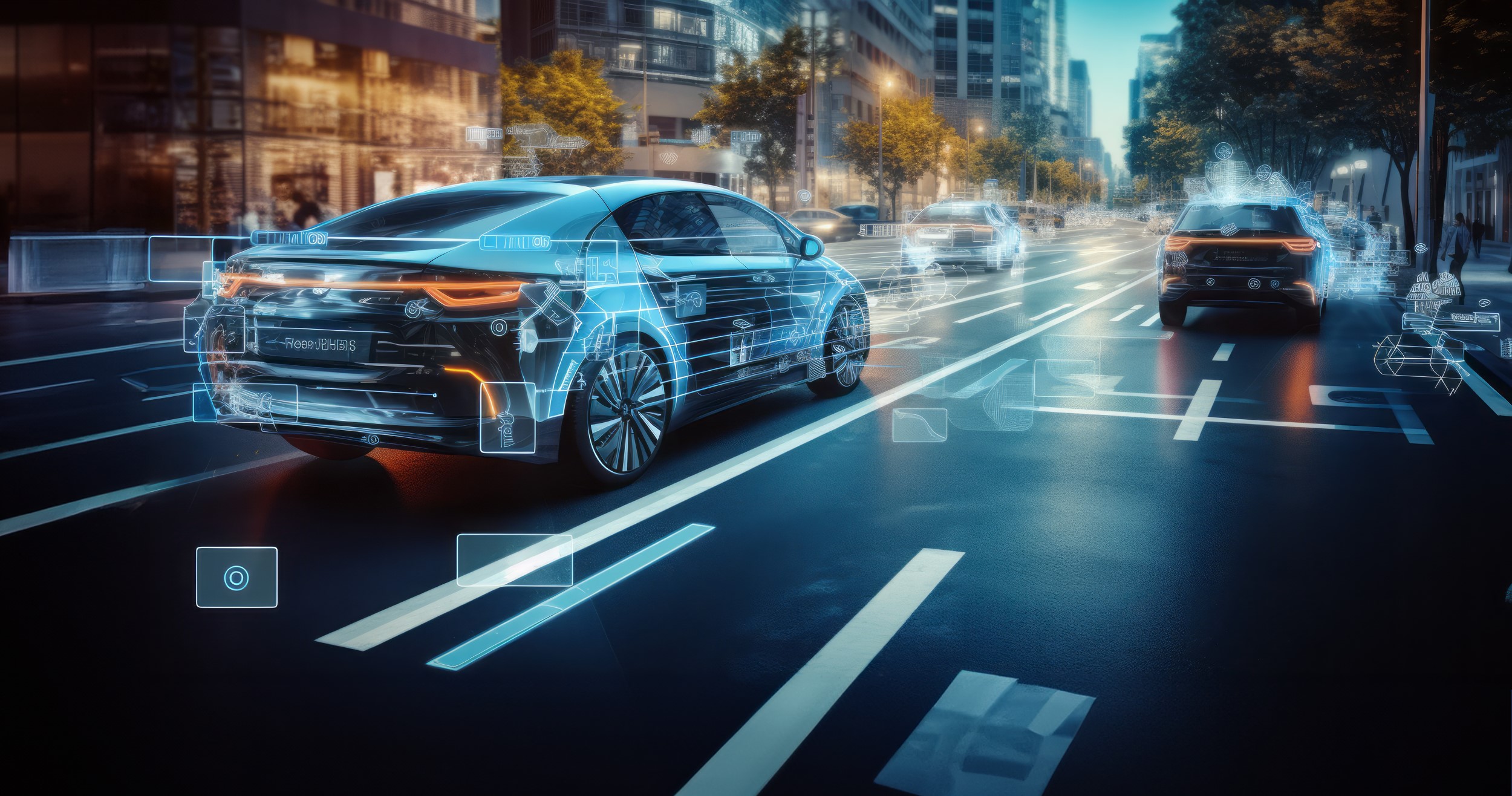
The mobility of people and goods has changed drastically in recent years. The reasons for this include new production processes, changing population structures in rural regions, consumer behavior and new communication channels in business life. Digitalization plays a dual role here: on the one hand as a driver of certain developments and on the other as a platform for the implementation of mobility innovations. Today, sustainable regional development must consider multimodal mobility and Mobility-as-a-Service (MaaS), plan the transport infrastructure with foresight and take into account the various needs of stakeholders as well as the topic of energy.
aconium GmbH makes this its goal. We analyze the current situation and regional potential and develop effective, tailored mobility offers – even when it comes to implementing solutions for population groups that have had little mobility to date. A central role here is played by the combination of country- and transport mode-specific expertise for the use of target group-specific, innovative offers that fit into the European legal framework.
The use of geographic information systems (GIS) is helpful here, which can also be used in cooperation projects to analyze Europe-wide spatial data and create scenarios in order to develop recommendations for action for program development and crisis management.
Contributions on the topic of mobility
Digital Regions – Creating Progress: aconium Designs Exhibition Space and Congress Programme at Hypermotion 2018
From 20 to 22 November 2018, aconium GmbH will be represented at Hypermotion in Frankfurt am Main with its own exhibition area and a conference programme. Under the title "Digital Regions - Creating Progress", the exhibitor area will focus on solutions from the fields...
Digitization for citizens: The district of Lippe is preparing for the digital future
Like many rural regions in Germany, the district of Lippe is also working to take advantage of the opportunities offered by digitalization. The district in the north-east of North Rhine-Westphalia sees the transformation of society, the economy, administration and...

Soest district invests in the future – digital technology for business, residents and visitors
In May of this year, the North Rhine-Westphalian district of Soest received notification of the final amount of funding from the federal broadband funding program. On August 22, the broadband expansion began with a symbolic ground-breaking ceremony in...
Mobility projects
The program is aimed at municipalities significantly affected by the corona pandemic, which have been allocated a reserved budget by the managing authority ERDF and ESF in the emergency program …
The aim of TEMPUS is the realistic testing of automated and networked vehicles (AVF) for motorized and non-motorized private transport (IV) as well as public transport.
The action plan developed by the state of Hesse as part of e-smartec aims to strengthen participation processes as part of mobility planning procedures and …