
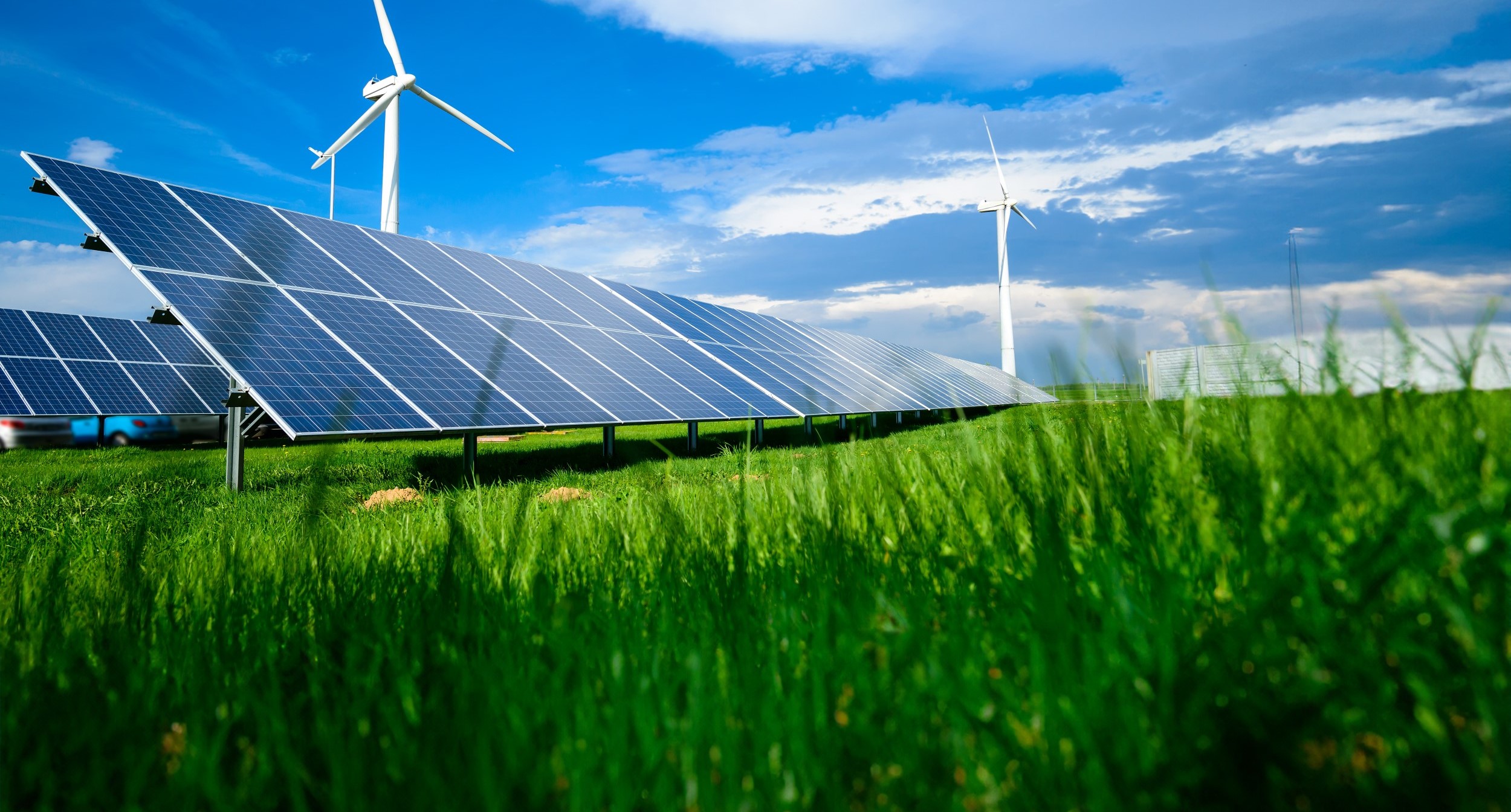
Energy
For a long time, technologies based on fossil fuels have dominated the transportation and energy sector. Further developing alternative approaches, freeing them from their niche existence and giving them the necessary attention is a challenge that must be mastered if the energy transition is to be implemented successfully.
aconium GmbH accepts this challenge and sees it as its task to strengthen the use of renewable energies, which can bring considerable economic and ecological benefits. We are implementing this by identifying and investigating structural obstacles as well as regional potentials in the development and use of renewable energies as alternative fuels in urban and rural areas and developing practical solutions.
Articles on the subject of energy
aconium Opens new Regional Office for Mecklenburg-Western Pomerania in Schwerin
On June 26, 2018, aconium opened its regional office for Mecklenburg-Vorpommern in Schwerin. Managing Director of aconium GmbH Tim Brauckmüller and Marc Walter (Regional Manager of aconium for Mecklenburg-Vorpommern) welcomed Christian Pegel (Minister for Energy,...
LowTEMP at the Annual Conference of the German-Austrian Urban Network in Leipzig
Low-temperature district heating is used to implement 4th generation heating networks - this new technology is characterized by higher energy efficiency, lower flow temperatures, lower heat losses and a significantly higher proportion of renewable energy sources. The...
Developments in Electromobility at the Berlin Energy Days 2018
From 7 to 9 May, the Berlin Energy Days 2018 were dedicated to the topic of energy and its various forms. At the annual major conference, the energy transition in Germany was examined from different perspectives in seven different thematic blocks. Over 300 speakers...
Projects on the topic of energy
Stronghouse had set itself the goal of reducing the ecological footprint of 15,000 homes in the North Sea region, generating 100 million euros in investment and …
The aim of the LowTEMP 2.0 project was to strengthen and expand capacity building for low-temperature district heating networks in the Baltic Sea region. With the transfer of knowledge …
The main objective of the HyTrEc 2 project is to create conditions under which the FCEV market can develop and the North Sea region can become a competence region for fuel cells.