
Energy
For a long time, technologies based on fossil fuels have dominated the transportation and energy sector. Further developing alternative approaches, freeing them from their niche existence and giving them the necessary attention is a challenge that must be mastered if the energy transition is to be implemented successfully.
aconium GmbH accepts this challenge and sees it as its task to strengthen the use of renewable energies, which can bring considerable economic and ecological benefits. We are implementing this by identifying and investigating structural obstacles as well as regional potentials in the development and use of renewable energies as alternative fuels in urban and rural areas and developing practical solutions.
Articles on the subject of energy

The SmartUp Accelerator Network – New Opportunities for Cooperation and Development in the Baltic Sea Region
The SmartUp Accelerator platform, an offshoot of the Interreg Baltic Sea (BSR) SmartUp Accelerator project, brings together ambitious smart start-ups, influential intermediaries, established large companies and investors from the consumer cleantech sector in the...

Digital Energy Challenges – How Energy Savings Can Be Achieved in Germany’s Schools
Energy efficiency and environmental awareness were not yet "en vogue" for school construction in Germany in the 1960s and 1970s. As a result many buildings were built that today offer great potential for reducing the CO2 budget and the associated economic costs. With...
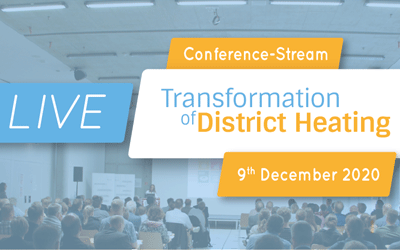
Transforming District Heating: LowTEMP Points the Way to a Sustainable Heat Supply with Low-Temperature District Heating Networks and Capacity Expansion
Up to 140 experts from energy companies, suppliers, municipalities and science from all over Europe followed the livestream of the LowTEMP final conference. They took the opportunity to virtually discuss the potential and challenges of low-temperature district heating...
Projects on the topic of energy
Stronghouse had set itself the goal of reducing the ecological footprint of 15,000 homes in the North Sea region, generating 100 million euros in investment and …
The aim of the LowTEMP 2.0 project was to strengthen and expand capacity building for low-temperature district heating networks in the Baltic Sea region. With the transfer of knowledge …
The main objective of the HyTrEc 2 project is to create conditions under which the FCEV market can develop and the North Sea region can become a competence region for fuel cells.